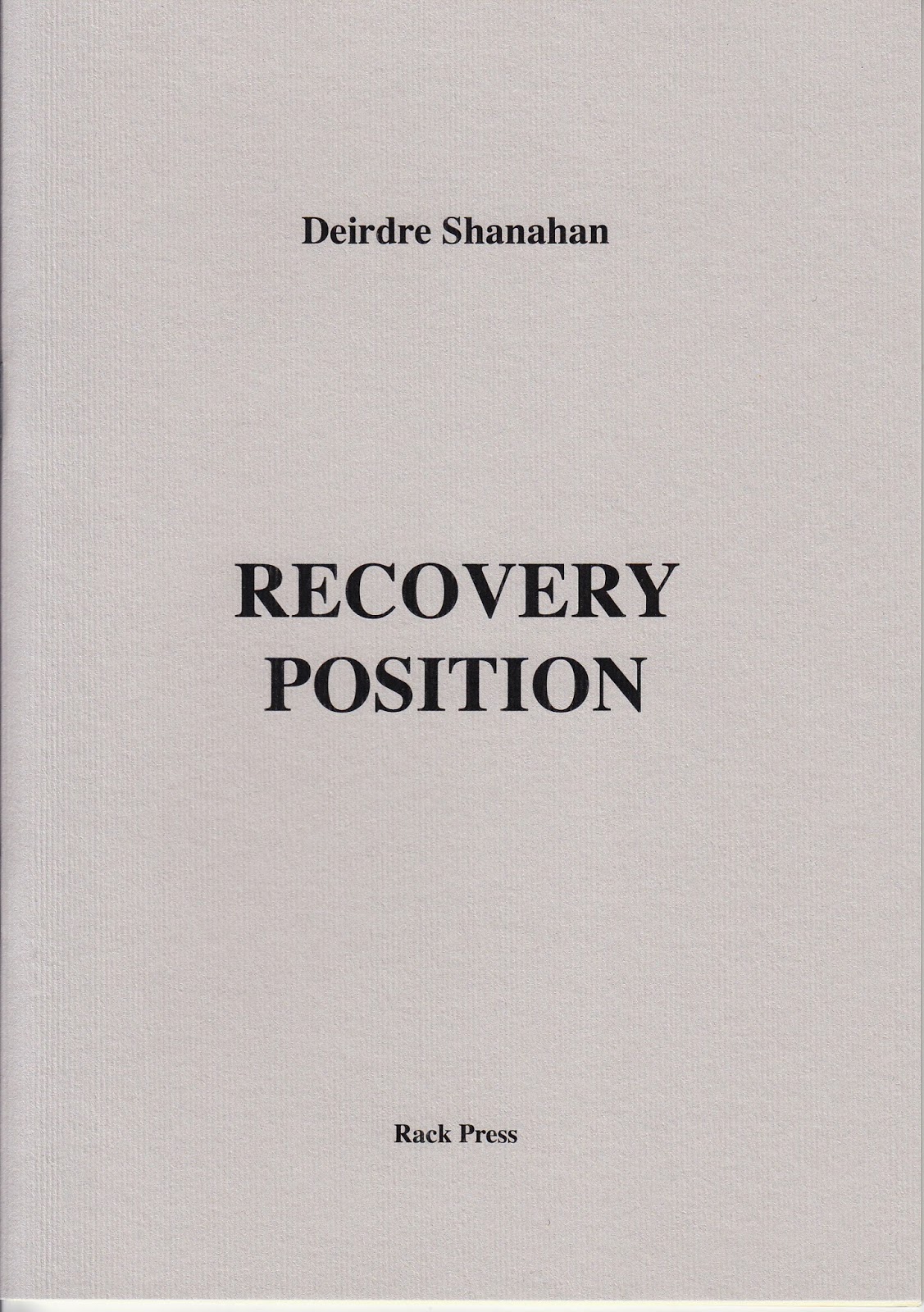
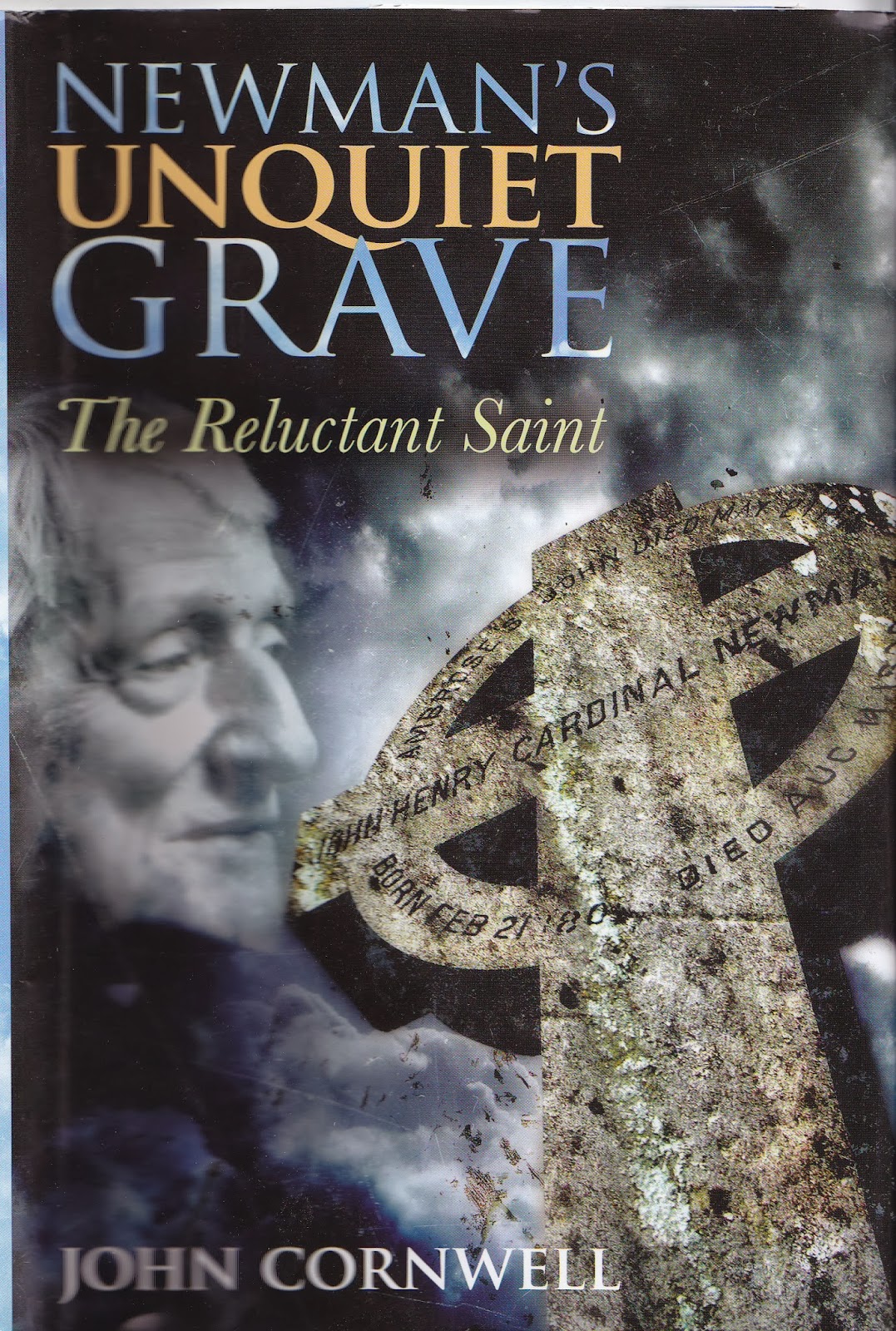
I have been asked to answer four questions so here goes!
What are you working on?
Like most writers I always have more than one project on the go but my main effort at the moment is going into work on a new poetry collection called "Facing the Facts" (the title poem arrived and immediately decided to start calling the shots). Then I am actively revising a novel that came close to being published a few years ago. Revisiting it I realised that it was far better than I thought (even the rejection letter was the best I've ever had) so I am feeling quite positive about it. I think I know what needs to be done. Next month I am publishing a (very) short book called Bloomsbury and the Poets, and another potentially big non-fiction project is, as they say, "being discussed".
In the extraordinarily difficult climate in British publishing just now I would like to announce a commission to write a new literary biography but I am unable to do so even though I still very much see myself as a literary biographer, confirmed by two invitations this week to talk about one of my subjects, Aldous Huxley. I am being interviewed about him by the BBC on Wednesday for a documentary being made by Francine Stock and I have been asked to take part in a panel on literary dystopias at the Cheltenham Festival of Literature in October.
How does your work differ from others of its genre?
I think that my biographies are not wildly different from the current norms of the genre. I pay particular attention to the literary quality of the biography as a piece of writing rather than its being just a decent research-effort, but the best ones always do that. Poetry by its nature is unpredictable, innovative, surprising, so it will always be chafing against the constraints of genre but it is not for me to say how original my poetry is. I think it is in my fiction that I have tended to depart from genre norms as I love books that mix all sorts of things together in free-associating ways. That is probably why I am not a best-selling novelist! Overall I don't like the constraints of genre. Last year I completed a short dystopian novel. I sent it to A Very Prestigious Literary Publisher & Co who replied that it was very well-written and full of good things but they couldn't possible touch it because it was Genre. I then sent it to a publisher known to be friendly towards the genre of future fiction and they replied that it was very well-written and full of good things but they couldn't possible touch it because it was "too literary". I then tapped my head slowly against the wall howling gently.
Genre, box-ticking, pigeon-holing, are the marketing vices of our contemporary risk-averse publishing scene. [ugly sound of a raspberry being blown]
Why do you write what you do?
I write because I have to. It is a visceral inner compulsion, a need, not a decision or a career choice. It is a vocation and I simply can't remember a time since I was a child making up newspapers with my sister when I haven't been writing. I was, however, a late developer when it came to publishing and my first book didn't appear until I was 40. I have more than made up since for lost time! I write poetry because poems, as Larkin famously said, "turn up". I have no choice in the matter. I love prose also, nonfictional and fictional. I love words and doing things with them, I love their patterns and I love the spaces between words, the echoes and the music, the suggestiveness, the possibilities. I write biographies because I am interested in other people's lives and how they are shaped. Writing is a pleasure (and the pain in the end must be part of the pleasure) that is almost equal to the sublime pleasure of reading. "Good readers," Borges observed, "are rarer and blacker swans than good writers." Reading is a great creative act that nourishes, that makes writers what they are.
How does your writing process work?
That is a hard question. I have regular, disciplined habits. I write best early in the morning when the day and I are both fresh and I write quickly and fluently. I have no idea what writer's block could possibly be about. But if I have learned anything from experience – and I did not learn this early enough – it is that revision is vital. All writing is re-writing someone said and I agree. Those first rapid brushstrokes can sometimes turn out to be crooked and misapplied. Try and try again. I don't need a special place to write and can do it anywhere. I can write if there is a pneumatic drill going on underneath me but I must have no interruption. Total concentration, a locked door, an empty room, no visitors, callers, well-wishers, and I can write, lost utterly in the process of composition. But an interruption is a catastrophe.
Ping! It looks as though someone has pressed the buzzer. I must now get off the bus and let the tour continue...
In the extraordinarily difficult climate in British publishing just now I would like to announce a commission to write a new literary biography but I am unable to do so even though I still very much see myself as a literary biographer, confirmed by two invitations this week to talk about one of my subjects, Aldous Huxley. I am being interviewed about him by the BBC on Wednesday for a documentary being made by Francine Stock and I have been asked to take part in a panel on literary dystopias at the Cheltenham Festival of Literature in October.
How does your work differ from others of its genre?
I think that my biographies are not wildly different from the current norms of the genre. I pay particular attention to the literary quality of the biography as a piece of writing rather than its being just a decent research-effort, but the best ones always do that. Poetry by its nature is unpredictable, innovative, surprising, so it will always be chafing against the constraints of genre but it is not for me to say how original my poetry is. I think it is in my fiction that I have tended to depart from genre norms as I love books that mix all sorts of things together in free-associating ways. That is probably why I am not a best-selling novelist! Overall I don't like the constraints of genre. Last year I completed a short dystopian novel. I sent it to A Very Prestigious Literary Publisher & Co who replied that it was very well-written and full of good things but they couldn't possible touch it because it was Genre. I then sent it to a publisher known to be friendly towards the genre of future fiction and they replied that it was very well-written and full of good things but they couldn't possible touch it because it was "too literary". I then tapped my head slowly against the wall howling gently.
Genre, box-ticking, pigeon-holing, are the marketing vices of our contemporary risk-averse publishing scene. [ugly sound of a raspberry being blown]
Why do you write what you do?
I write because I have to. It is a visceral inner compulsion, a need, not a decision or a career choice. It is a vocation and I simply can't remember a time since I was a child making up newspapers with my sister when I haven't been writing. I was, however, a late developer when it came to publishing and my first book didn't appear until I was 40. I have more than made up since for lost time! I write poetry because poems, as Larkin famously said, "turn up". I have no choice in the matter. I love prose also, nonfictional and fictional. I love words and doing things with them, I love their patterns and I love the spaces between words, the echoes and the music, the suggestiveness, the possibilities. I write biographies because I am interested in other people's lives and how they are shaped. Writing is a pleasure (and the pain in the end must be part of the pleasure) that is almost equal to the sublime pleasure of reading. "Good readers," Borges observed, "are rarer and blacker swans than good writers." Reading is a great creative act that nourishes, that makes writers what they are.
How does your writing process work?
That is a hard question. I have regular, disciplined habits. I write best early in the morning when the day and I are both fresh and I write quickly and fluently. I have no idea what writer's block could possibly be about. But if I have learned anything from experience – and I did not learn this early enough – it is that revision is vital. All writing is re-writing someone said and I agree. Those first rapid brushstrokes can sometimes turn out to be crooked and misapplied. Try and try again. I don't need a special place to write and can do it anywhere. I can write if there is a pneumatic drill going on underneath me but I must have no interruption. Total concentration, a locked door, an empty room, no visitors, callers, well-wishers, and I can write, lost utterly in the process of composition. But an interruption is a catastrophe.
Ping! It looks as though someone has pressed the buzzer. I must now get off the bus and let the tour continue...